Philosophy of Art Education
My philosophy of education is grounded in the belief that art is a universal language—one that invites every student to explore, question, communicate, and connect. I view the art classroom as a community space where creativity, individuality, and cultural expression are not only encouraged but celebrated. Every student arrives with their own lived experiences, strengths, and ways of learning; it is my responsibility as an educator to create an environment where those differences become assets.
I believe deeply in process over perfection. Art is not about arriving at a single “correct” answer but about experimentation, risk-taking, and reflection. In my classroom, students are empowered to make choices, try new techniques, and develop confidence through creative problem-solving. I support this through clear routines, structured expectations, and differentiated pathways that honor each learner’s personal and artistic growth.
A core part of my teaching is helping students understand art as a reflection of the world around them. I incorporate diverse artists, movements, and cultural perspectives so students can see themselves in the curriculum and also expand their understanding of experiences beyond their own. My goal is for students to develop not only technical skills but also empathy, critical thinking, and visual literacy.
Ultimately, I want students to feel safe, seen, and inspired. I aim to cultivate a studio space where curiosity thrives, mistakes are welcomed, and young artists learn to trust their voice. As an educator, I am not just teaching art—I am teaching students how to imagine, to observe deeply, to collaborate, and to express themselves with confidence, both in and beyond the classroom.
Lesson Plans 1-3
Art is not one thing—it’s a way of communicating who we are, where we come from, and what we believe. It can be loud or quiet, polished or raw, traditional or unexpected.
In this class, we explore art through fashion, design, and visual culture. We look at how artists like Vivienne Westwood, Coco Chanel, and Willy Chavarria use clothing not just to create style, but to express identity, challenge norms, and tell stories.
Art is personal. It reflects lived experience, culture, and individuality. There is no single “right” way to create—only intentional choices and meaningful expression.
This space is about experimentation, risk-taking, and finding your own voice. Whether through clothing, drawing, or mixed media, students are encouraged to explore what matters to them and how they want to communicate it.
Lesson Plan 1
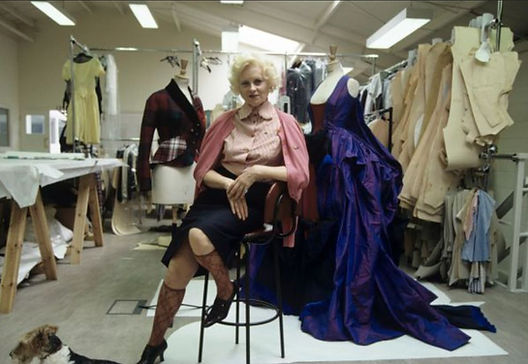
Vivienne Westwood
Introduces students to fashion as a form of historical dialogue through the work of Vivienne Westwood. Students will explore how clothing can communicate identity, challenge cultural norms, and reinterpret history through design.
Through visual analysis and discussion, students examine how Westwood reworked traditional references—such as tartan, tailoring, and historical silhouettes—to question ideas of heritage and power. Students will apply these ideas by developing their own concept-driven design, using symbolism, material, and form to express a personal perspective.
This lesson emphasizes fashion as a visual language—one that connects past and present, and allows students to communicate meaning through intentional design choices.

Lesson Plan 2
Coco Chanel
This lesson introduces students to fashion as a form of cultural change through the work of Coco Chanel. Students will explore how clothing can challenge restrictive norms and reflect shifting ideas of identity, comfort, and modern life.
Through visual analysis and discussion, students examine how Chanel redefined women’s fashion by prioritizing simplicity, movement, and functionality. Students will apply these ideas by developing their own design concept, using silhouette, material, and proportion to communicate a clear intention.
This lesson emphasizes fashion as a functional and expressive language—one that reflects social change and allows students to communicate meaning through thoughtful design choices.
Lesson Plan 3
Willy Chavarria
This lesson introduces students to fashion as a form of identity and cultural expression through the work of Willy Chavarria. Students will explore how clothing can communicate lived experience, challenge stereotypes, and reflect both personal and collective narratives.
Through visual analysis and discussion, students examine how Chavarria draws from Chicano and working-class style and brings it into high fashion while staying rooted in his culture. Students will consider how identity and lived experience can shape design and become a source of strength rather than something to hide.
Students will apply these ideas by developing their own concept, using proportion, styling, and symbolism to communicate a clear message about identity or community.
This lesson emphasizes fashion as a cultural and expressive language—one that allows students to tell their own stories while honoring where they come from.

Visual Syllabus
Creative Expression Studio

Step-by-step Tutorial
Tech Integration
In my classroom, technology isn’t separate from creativity—it’s part of how students communicate visually in the real world. I use Canva as a primary tool because it lets students explore digital art, layout, typography, and visual storytelling in an intuitive, approachable way. Students design posters, mood boards, portfolios, and social-justice campaigns while developing digital literacy skills such as navigating cloud-based platforms, organizing files, collaborating online, and understanding copyright and fair use. Canva helps students work with professional-looking templates while still expressing their own aesthetic, encouraging creative risk-taking and supporting different learning styles. My goal is for students to see technology as an extension of their artistic voice and a practical skill that connects directly to careers in fashion, branding, illustration, and content creation.